Lakefront Living Comes With Hidden Electrical Hazards
Summer on Lake Lanier is something special. Whether you're tying up for an afternoon swim, hosting friends at the boathouse, or just unwinding on the dock with a cold drink, lakefront living is what makes North Georgia feel like home.
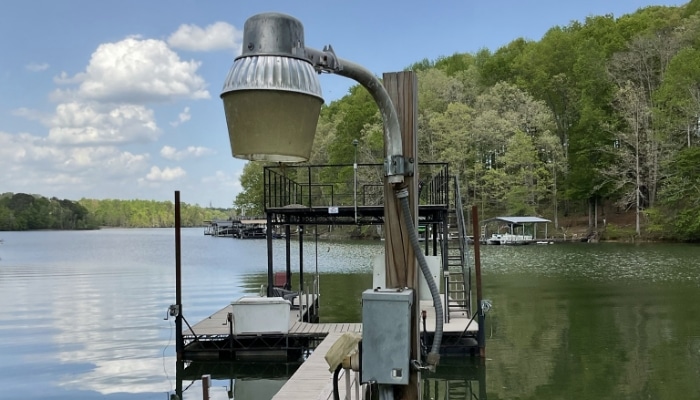
But there's a hidden danger lurking under the surface that most homeowners never think about: faulty boat dock electrical systems. Every year, lives are lost to Electric Shock Drowning (ESD) — a silent, invisible hazard that can turn the water around a dock into a death trap in seconds. The worst part? Most ESD incidents are completely preventable with proper inspection and maintenance.
Here's what every Lake Lanier homeowner needs to know to keep family, guests, and neighbors safe this season.
Lake Lanier: A Beautiful Lake With Real Risk
At nearly 38,000 acres, Lake Lanier is one of the largest and most-visited lakes in the Southeast — and the heart of summer recreation across Forsyth, Hall, Dawson, and Gwinnett counties. Communities in Cumming, Buford, Gainesville, and Dawsonville are all built around lakefront life.
But Lake Lanier is also a freshwater lake with thousands of private docks, many of them decades old. Add a humid Georgia climate, frequent storms, and equipment that's exposed to the elements year-round, and you have the perfect conditions for electrical failure — and the perfect conditions for ESD.
What Is Electric Shock Drowning?
Electric Shock Drowning happens when low-level AC current leaks into the water — often from faulty dock wiring, damaged boat lift motors, or improperly grounded shore power systems. A swimmer doesn't have to touch anything metal to be affected. Even a small amount of current (as little as 10 milliamps) paralyzes the body's muscles, making it impossible to swim. Victims often drown before they ever realize they've been shocked.
Most ESD incidents happen in freshwater lakes — exactly like Lake Lanier — because fresh water conducts electricity through the human body more efficiently than saltwater. And once electricity is in the water, it can extend dozens of feet from the source depending on conditions.
What makes ESD especially dangerous is that it's invisible. There's no warning, no shock you can feel until you're already in the water. Bystanders who jump in to help often become victims themselves. That's why prevention — not reaction — is the only effective strategy.
Signs Your Dock May Have an Electrical Problem
Most homeowners aren't aware of the warning signs of a failing dock electrical system. Watch for any of the following:
- A tingling or shock sensation when touching dock metalwork or the water near the dock
- Lights or outlets on the dock that flicker or fail intermittently
- Visible corrosion, discoloration, or damage to wiring, outlets, or junction boxes
- A boat lift motor that runs hot, slow, or makes unusual sounds
- GFCI outlets that won't reset or trip frequently for no clear reason
- Dock equipment older than 10 years that has never been professionally inspected
If you notice any of these, stop using the dock for swimming and have it inspected by a licensed electrician immediately.
Common Boat Dock Electrical Hazards
We see the same issues again and again during our boat dock inspections on Lake Lanier:
1. Missing or broken GFCI protection. Every outlet and circuit on or near a dock should be protected by a Ground Fault Circuit Interrupter (GFCI). These devices shut off power in milliseconds when they detect current leaking into the water. Many older docks were built before GFCI requirements existed, and even newer docks often have GFCIs that have failed over time. (For a refresher on GFCIs in general, check our Georgia Homeowners' Guide to GFCI Outlet Safety.)
2. Corroded wiring and connections. Constant exposure to humidity, sun, and lake spray takes a toll. Corroded wires, deteriorating insulation, and rusted junction boxes are all common — and all dangerous.
3. Improper bonding and grounding. Metal components on a dock — handrails, ladders, boat lifts — must be properly bonded and grounded. When they're not, they can become energized and turn the entire dock into a shock hazard.
4. Aging boat lift motors. Boat lift motors operate in tough, often submerged conditions. Failing motors are one of the most common sources of current leakage into lake water.
5. Lack of ESD-specific protection. Today's best practice for dock electrical safety includes a Ground Fault Equipment Protector (GFEP) or Emergency Shutoff Switch at the shoreline. Many older docks don't have either. The 2017 and later editions of the National Electrical Code (NEC) require GFEPs on marinas and private docks — but most docks built before those updates aren't compliant.
Why Annual Inspections Matter
Even if your dock seems fine, electrical systems degrade over time — especially in lake environments. The NEC is updated regularly with new safety requirements, and what passed inspection 10 years ago may no longer meet current standards.
An annual boat dock electrical safety inspection from a licensed electrician is the single best thing you can do to protect your family and your guests. It's also smart liability protection — if a swimmer is injured on or near your dock and the wiring is later found to be unsafe, the legal exposure can be devastating. Many homeowners insurance policies also exclude coverage for known electrical hazards that weren't repaired — meaning if you skip the inspection and something happens, your insurer may not have your back.
For a broader look at home electrical health, you can also check out our guide to whole-home electrical inspections.
What Our Lake Lanier Boat Dock Inspection Includes
At Mr. Value Electricians, we specialize in boat dock electrical safety inspections for Lake Lanier homeowners. Our comprehensive inspection covers:
- All wiring, outlets, and junction boxes
- GFCI testing and replacement
- Bonding and grounding verification
- Boat lift motor inspection
- Emergency shutoff and ESD protection assessment
- A full report of any issues found, with recommended repairs
If we find problems, we'll explain them in plain English, give you an upfront quote, and get them fixed properly. No surprises, no pressure.
When to Schedule Your Inspection
The ideal time for a boat dock electrical safety inspection is before peak swim season — typically late spring or early summer. That gives us time to identify and repair any issues before guests are in the water. If you're closing on a lakefront home, an inspection should also be part of your due diligence — the seller's disclosure may not catch electrical issues, and a standard home inspection rarely includes the dock.
If you've experienced a major storm, flooding, or a power surge, schedule an inspection right after. These events are common causes of new electrical faults on docks.
Trusted by Lakefront Homeowners Across North Georgia
We're proud to serve lakefront homeowners across the North Atlanta Metro area, including the Lake Lanier communities of:
As a fully licensed electrical contractor (License EN216258) and multi-year Best of Forsyth winner, we know what local docks need and what local code requires.
Don't Wait for Tragedy to Think About Dock Safety
Whether you're new to Lake Lanier or you've owned your dock for decades, an annual electrical inspection is one of the smartest, simplest investments you can make for your family's safety.
📞 Call 470-777-5886 or schedule your boat dock inspection online: https://mrvalueelectricians.com/contact-us/
Experience the Power of Value! ⚡